 جهانی
جهانی SGR ' s n سریال گیربکس سیاره ای کواک...
جزئیات $ $ $ را مشاهده کنید
When selecting a gearbox for heavy-duty industrial machinery, engineers and equipment manufacturers often compare two common transmission solutions: planetary gearboxes and worm gearboxes .
Both can provide high torque and speed reduction, but their transmission principles, efficiency, torque density, and application scenarios are quite different.
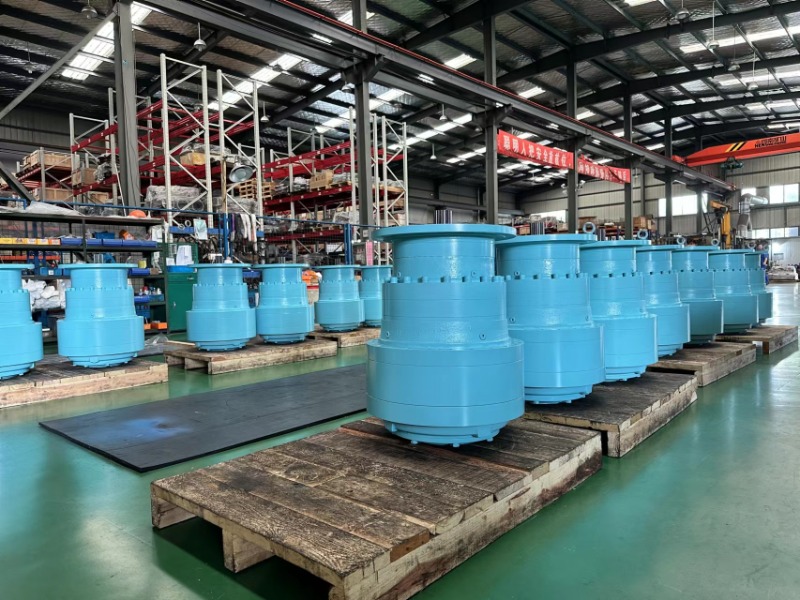
So, which is better: a planetary gearbox or a worm gearbox?
The answer depends on the specific requirements of your equipment. If your application prioritizes high torque, high efficiency, compact size, and continuous operation, a high torque planetary gearbox is usually the better choice. If your equipment requires high reduction ratios, low-speed operation, or self-locking characteristics, a worm gearbox may be more suitable.
This article compares planetary gearboxes and worm gearboxes from structure, performance, applications, and selection criteria to help you choose the right industrial gearbox.
The biggest difference lies in their transmission structures.
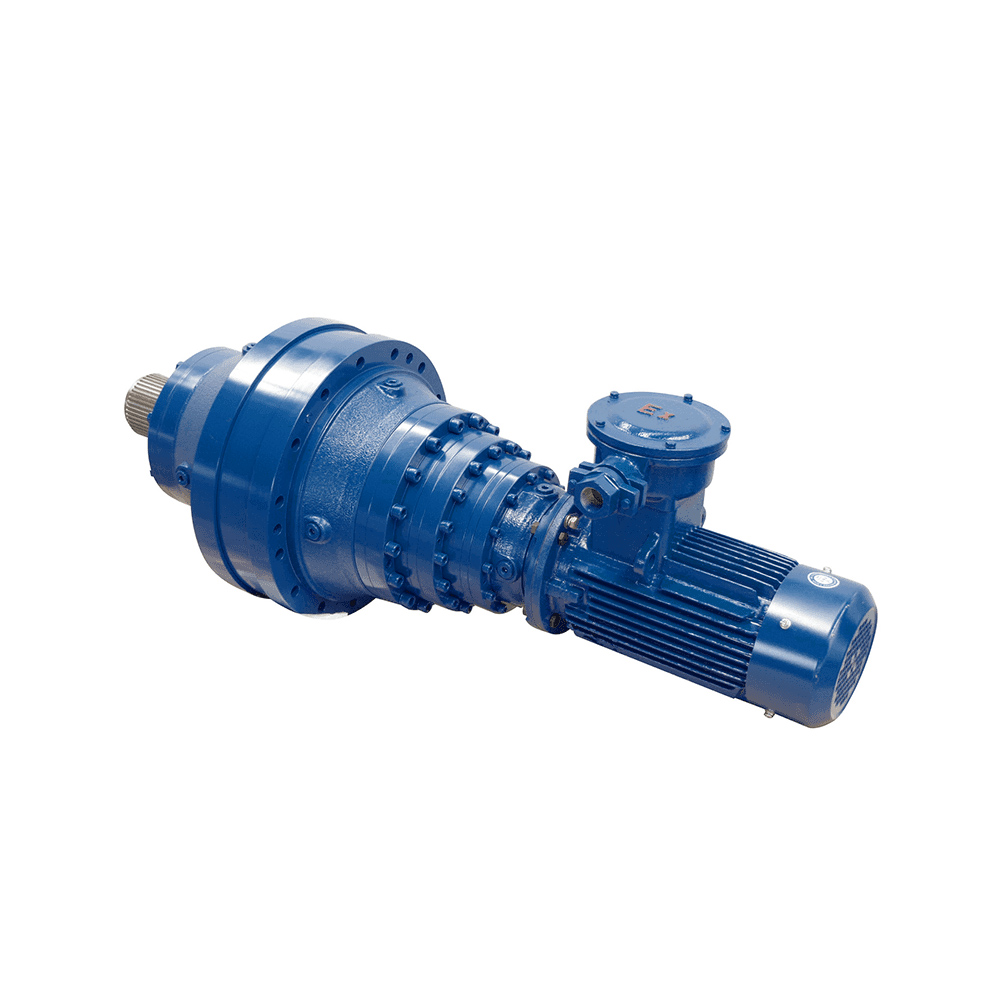
A planetary gearbox consists mainly of a sun gear, multiple planet gears, a ring gear, and a planet carrier. Multiple planet gears engage with the sun gear and ring gear simultaneously, allowing the transmitted load to be distributed across several gear meshes.
This structure gives planetary gearboxes a high torque-to-size ratio and makes them particularly suitable for heavy-duty applications where installation space is limited.
A worm gearbox, on the other hand, uses a worm and worm wheel to transmit power. The worm drives the worm wheel through sliding contact, providing high reduction ratios within a relatively compact structure.
Worm gearboxes are particularly useful when low-speed output, high reduction ratios, smooth operation, or self-locking characteristics are important.
Therefore, the two gearbox types are not direct substitutes in every application. The right choice depends on the machine's torque, speed, efficiency, installation, and safety requirements.
For heavy-duty applications requiring high output torque, planetary gearboxes have a significant advantage.
The planetary transmission structure distributes the load among multiple planet gears, reducing the load carried by an individual gear tooth. This allows planetary gearboxes to achieve high torque capacity while maintaining a relatively compact housing.
SGR's high-torque planetary gearbox range is designed for demanding applications such as drilling equipment, cranes, mining machinery, and other heavy industrial equipment.
Worm gearboxes can also provide high torque, particularly at low speeds, but their sliding contact generates more friction and heat. This can become a limiting factor in applications requiring high continuous power and long operating hours.
Efficiency is another major difference.
Planetary gearboxes generally provide high mechanical efficiency because their gears primarily operate through rolling contact and distribute the load across multiple gear meshes.
Worm gearboxes rely on sliding contact between the worm and worm wheel. As a result, their efficiency is generally lower, especially at high reduction ratios.
For equipment operating continuously for thousands of hours per year, the efficiency difference can directly affect energy consumption and operating costs.
Therefore, for 24/7 industrial equipment, high-power drives, conveyors, drilling equipment, and other energy-intensive machinery, a planetary gearbox is often a more efficient choice.
Worm gearboxes have an important advantage when a very high reduction ratio is required.
A worm gearbox can achieve a large reduction ratio in a relatively compact arrangement, making it suitable for applications requiring very low output speeds.
Planetary gearboxes can also achieve high reduction ratios through multiple stages, but adding stages increases the gearbox length and complexity.
Therefore,if you need very high ratio and low speed,a worm gearbox is suitable.If you need high torque and high efficiency, a planetary gearbox is suitable.
For heavy-duty applications, the answer depends on what “heavy-duty” means for the machine.
If heavy-duty means high torque, shock loads, continuous operation, high power density, and high efficiency, a planetary gearbox is generally the stronger solution.
Typical applications include:electric drilling rigs,hydraulic drilling rigs,mining machinery,construction machinery,crane and lifting equipment,wind power equipment,crawler drive systems and heavy-duty conveyors.
These machines often experience high starting torque, frequent load changes, impact loads, and long operating cycles. The load-sharing structure of planetary gearboxes provides excellent torque capacity and operational stability.
However, worm gearboxes should not be considered unsuitable for heavy industry.
A worm gearbox can be an excellent choice when the application requires high reduction ratios, low-speed output, right-angle transmission, or self-locking behavior.
For example, SGR's heavy worm gearbox solutions are designed for applications where self-locking and stable low-speed operation are important.
A simple comparison can help engineers make an initial decision:
| Performance | Planetary Gearbox | Worm Gearbox |
| High torque density | Excellent | Good |
| Transmission efficiency | High | Moderate |
| Compact structure | Excellent | Good |
| High reduction ratio | Good | Excellent |
| Continuous high-power operation | Excellent | Moderate |
| Shock load resistance | Excellent | Good |
| Low-speed operation | Good | Excellent |
| Self-locking capability | Generally no | Possible |
| Energy efficiency | High | Lower |
| Heavy-duty dynamic applications | Excellent | Good |
| High-ratio low-speed applications | Good | Excellent |
The table should be treated as a general engineering comparison. Actual performance depends on the gearbox design, ratio, lubrication, load, speed, and operating conditions.
Before purchasing a planetary gearbox or worm gearbox, equipment manufacturers should evaluate several key parameters.
Calculate the required continuous torque as well as peak and starting torque. For equipment with shock loads or frequent starts and stops, an appropriate service factor should also be considered.
Determine the required input and output speeds.
If the equipment requires an extremely high reduction ratio and very low output speed, a worm gearbox may provide a simpler solution.
If high torque and efficiency are more important, a multi-stage planetary gearbox may be more appropriate.
For continuous-duty equipment, transmission efficiency and thermal performance are particularly important.
A planetary gearbox can be advantageous for equipment operating continuously because its high efficiency helps reduce energy losses and heat generation.
If the machine has strict space limitations, torque density should be considered.
Planetary gearboxes provide high torque within a compact structure, making them suitable for mobile machinery, drilling equipment, crawler drives, and other space-constrained applications.
If the gearbox needs to prevent reverse rotation after the motor stops, a worm gearbox may be preferable depending on the ratio and specific design.
However, self-locking should not automatically be treated as a substitute for a mechanical brake where safety regulations require positive load holding.
Choosing between a planetary gearbox and a worm gearbox does not necessarily mean choosing between two competing products. For an experienced gearbox manufacturer, both transmission technologies can be valuable depending on the machine's requirements.
SGR provides both high-torque planetary gearboxes and industrial worm gearboxes, allowing customers to select the appropriate transmission architecture for their equipment.
SGR planetary gearboxes focus on high torque density, efficient power transmission, compact design, and heavy-duty operation, while its worm gearbox solutions are designed for applications requiring high reduction ratios, stable low-speed output, and self-locking characteristics.
SGR also develops combined planetary and worm transmission solutions for applications requiring the advantages of both technologies. Its planetary-and-worm combined reducer can combine the high transmission efficiency of planetary gears with the self-locking characteristics of high-ratio worm gears.
For OEM machinery manufacturers, gearbox selection can also be customized according to motor type, output torque, reduction ratio, mounting configuration, shaft design, and operating environment.
So, planetary gearbox vs worm gearbox: which is better?
There is no single answer for every application.
Choose a high torque planetary gearbox when your equipment requires:high torque output,high efficiency,compact dimensions,strong shock-load resistance and continuous heavy-duty operation.
Choose a worm gearbox when your equipment prioritizes:Very high reduction ratios,low-speed output,right-angle transmission,smooth operation and self-locking characteristics.
For demanding industrial machinery, the best gearbox is not necessarily the one with the highest torque rating or the lowest initial price. The right solution is the one that matches the complete operating conditions of the machine.
As an experienced industrial gearbox manufacturer, SGR provides planetary, worm, and combined transmission solutions for drilling equipment, mining machinery, cranes, wind power, conveyors, construction machinery, and other industrial applications.
By evaluating torque, speed, ratio, efficiency, installation space, load characteristics, and operating environment together, equipment manufacturers can select a gearbox that delivers reliable performance and long-term value.(Author,SGR, Angie Zhang)
WhatsApp: 86 188 1807 0282
SGR ' s n سریال گیربکس سیاره ای کواک...
جزئیات $ $ $ را مشاهده کنید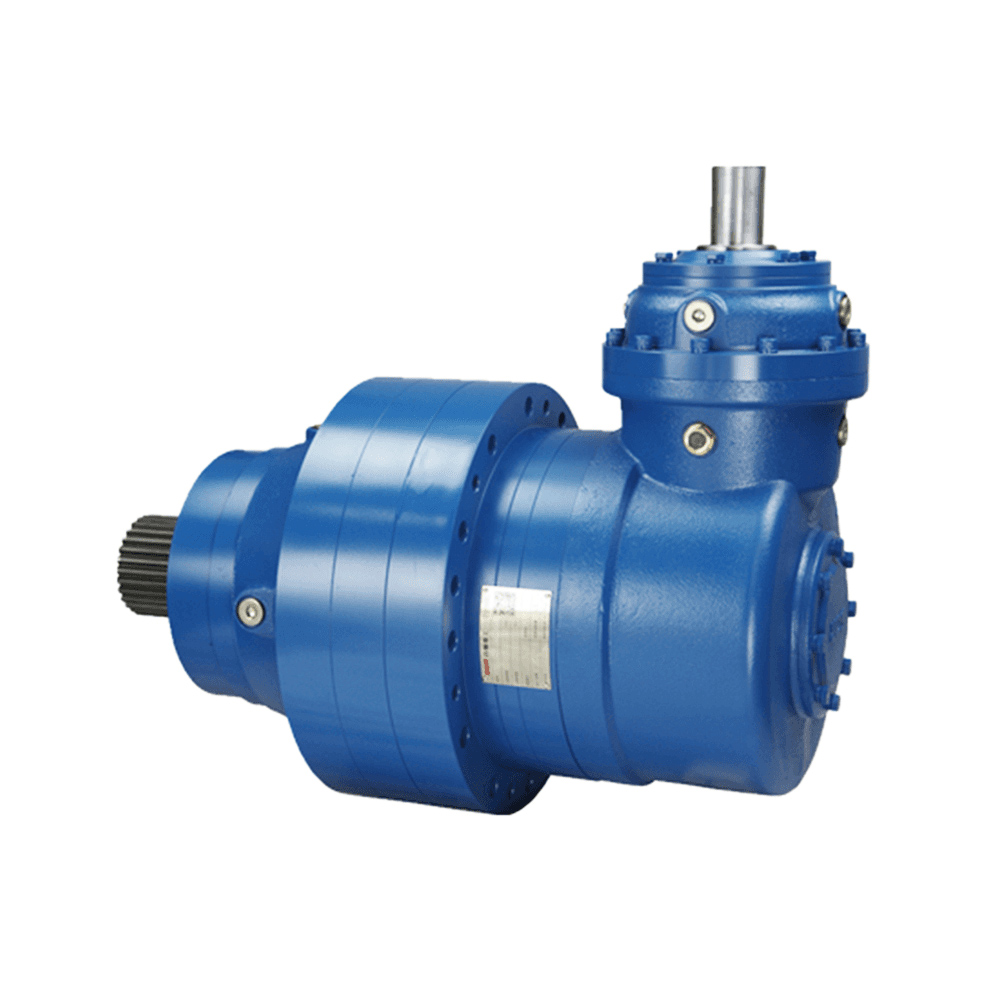
اطلاعات محصول: در MNC3E400 سری سرعت بالا و...
جزئیات $ $ $ را مشاهده کنید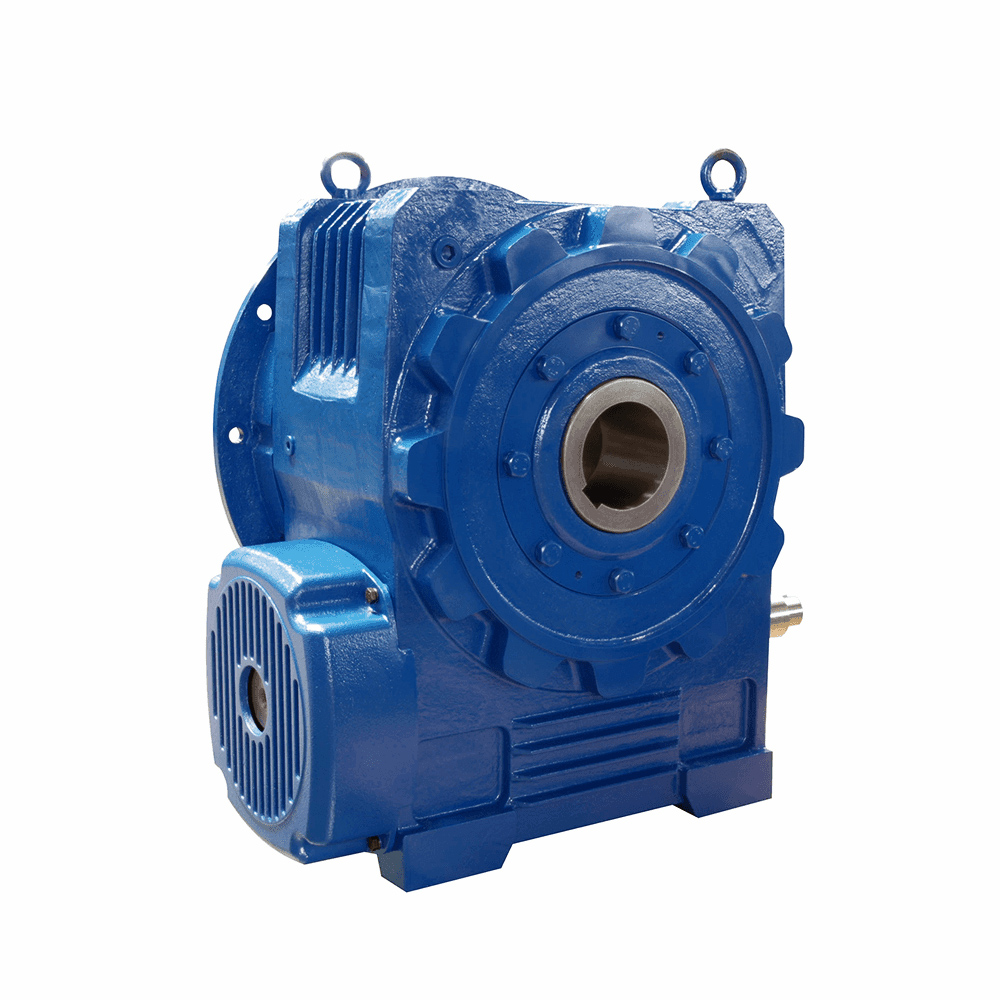
فاصله مرکز: 100 ~ 710 میلی متر نسبت سرعت: 10 ≥ I. طراحی مدولار سازی ، سریال سازی مشخصات ، ...
جزئیات $ $ $ را مشاهده کنید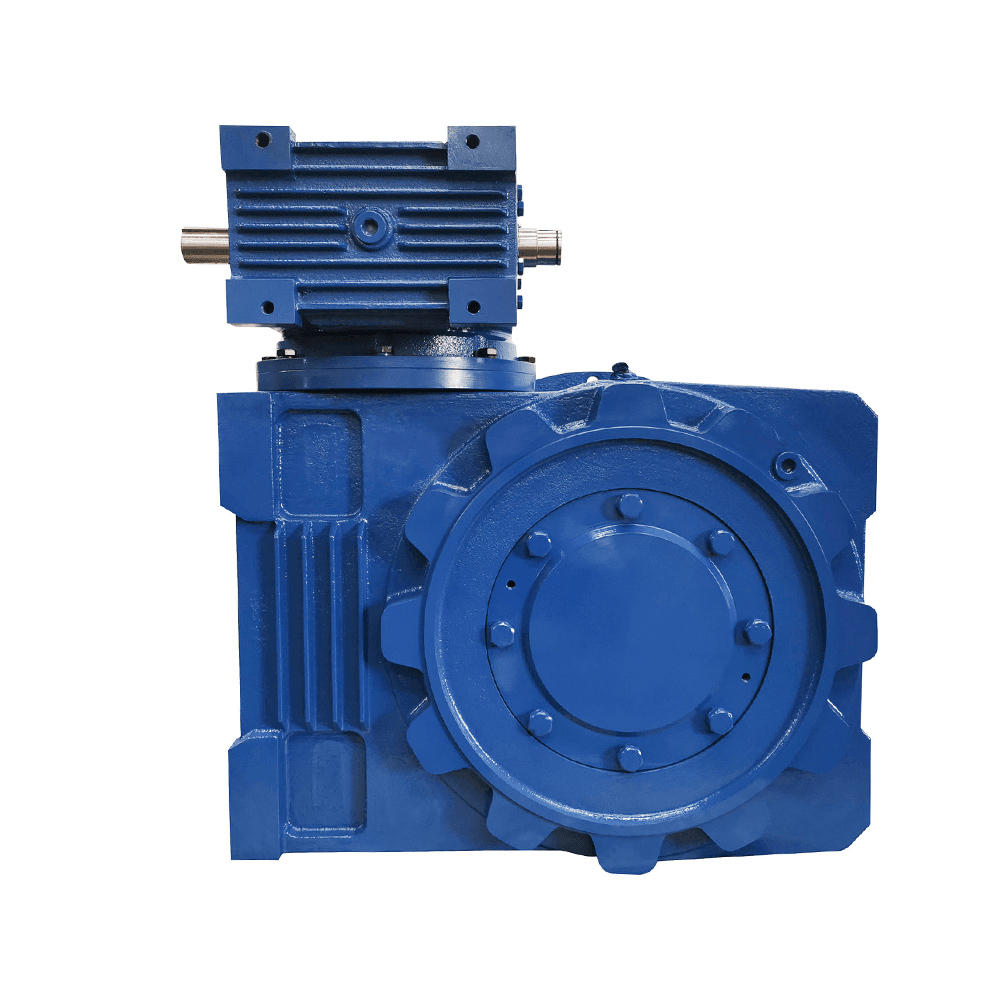
فاصله مرکز: 100 ~ 710 میلی متر نسبت سرعت: 10 ≥ I. طراحی مدولار سازی ، سریال سازی مشخصات ، ...
جزئیات $ $ $ را مشاهده کنید
نسبت های مختلف سرعت را می توان انتخاب کرد ، رابط موتور هیدرولیک استاندارد ، دندانهای شافت خروجی ی...
جزئیات $ $ $ را مشاهده کنید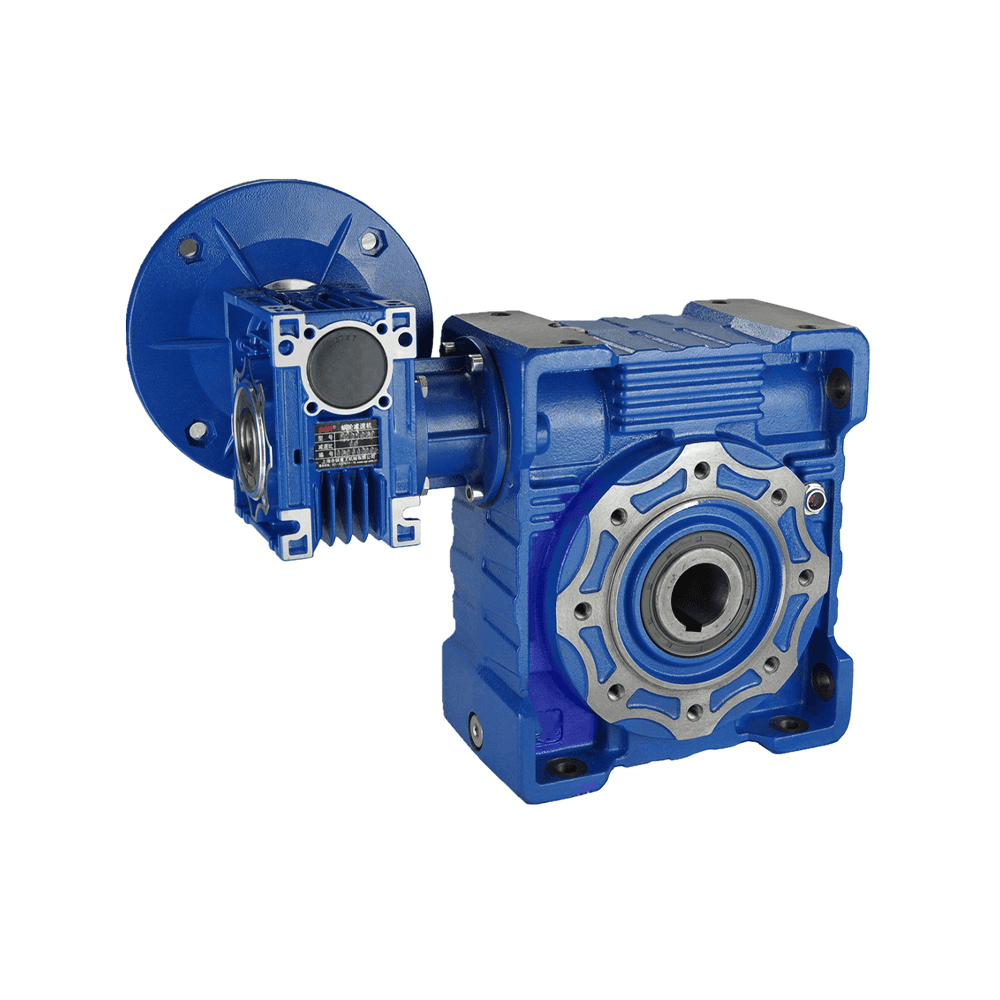
گیربکس با استاندارد سازی و آب بندی خوب طراحی شده است و به آن اجازه می دهد تا با تاسیسات چند زبانه...
جزئیات $ $ $ را مشاهده کنید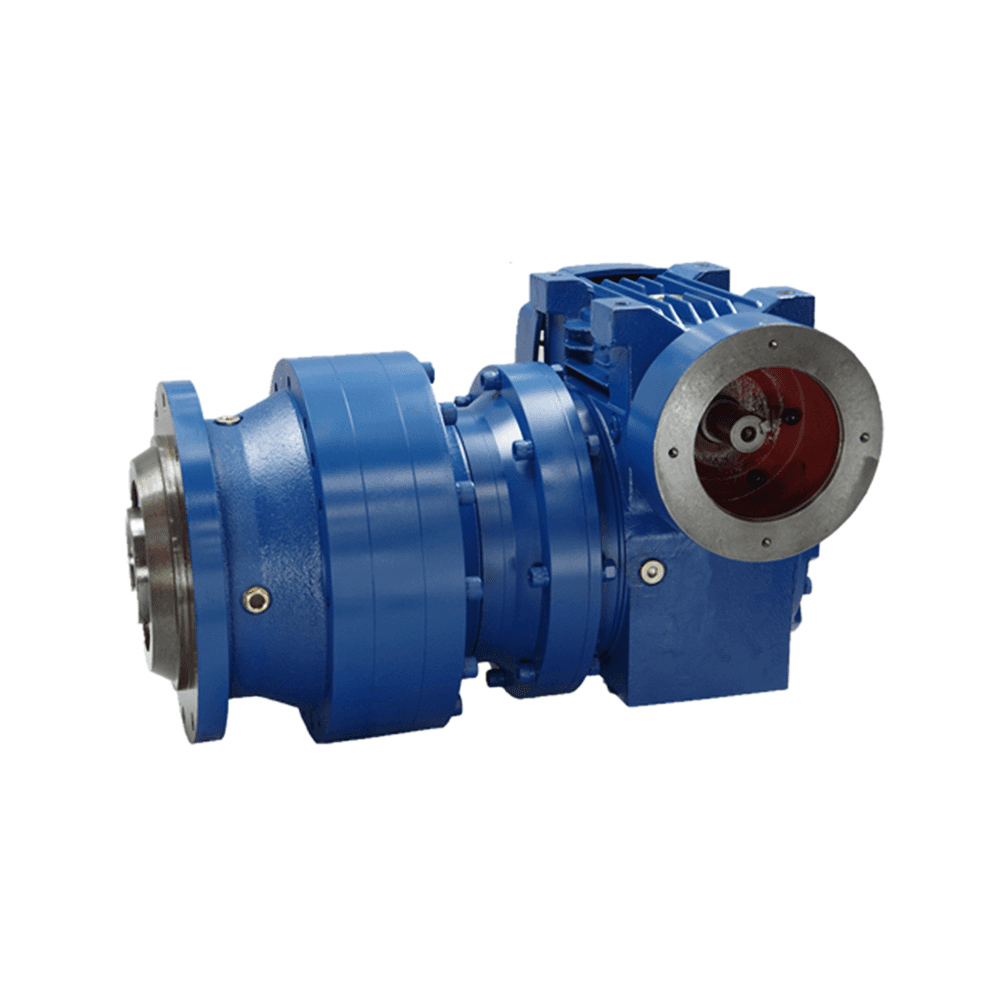
این طرح با استفاده از راندمان بالای انتقال دنده سیاره ای با قابلیت قفل کردن یک کاهش دهنده دنده کر...
جزئیات $ $ $ را مشاهده کنید
SGR از سال 1996 تولید کننده Gearbox صنعت معتبر ISO 9001 است.

